
STUDY IN KOSOVO
Kosovo has built a structured education framework, but outcomes lag due to systemic inequalities, resource shortfalls, and insufficient digital readiness. Ongoing reforms, supported by the EU, UNICEF, and civil society, are focusing on bridging these gaps particularly in early childhood, digitalisation, and inclusive learning.
Tuition Fees
Quality of Education
Cultural Experience

Learn and Pass Albania Language
The language is a core part of Albanian identity, especially after centuries of foreign domination, Albanian language connects communities across national borders (Albania, Kosovo, North Macedonia).
The language’s survival reflects the resilience of Albanian people and culture through complex history.
Since the 1990s, Albania has been transitioning towards democracy and integration with Europe,The Albanian language is now official in Albania, Kosovo, and recognized in parts of North Macedonia, Montenegro, and Serbia.
Learn and Pass Serbia Langauge
Serbian is one of the major languages of the Balkans, used not just in Serbia but also in Bosnia, Montenegro, Croatia (in some areas), and Kosovo.It acts as a bridge between different South Slavic peoples.
Serbian language is a carrier of rich literary, religious, and folk traditions.Serbia is one of the few European countries where Cyrillic is official and actively used alongside Latin script.
Serbian is spoken across the Western Balkans and acts as a lingua franca in many areas.
Today, Serbia is an independent country, continuing to promote its language, culture, and heritage.

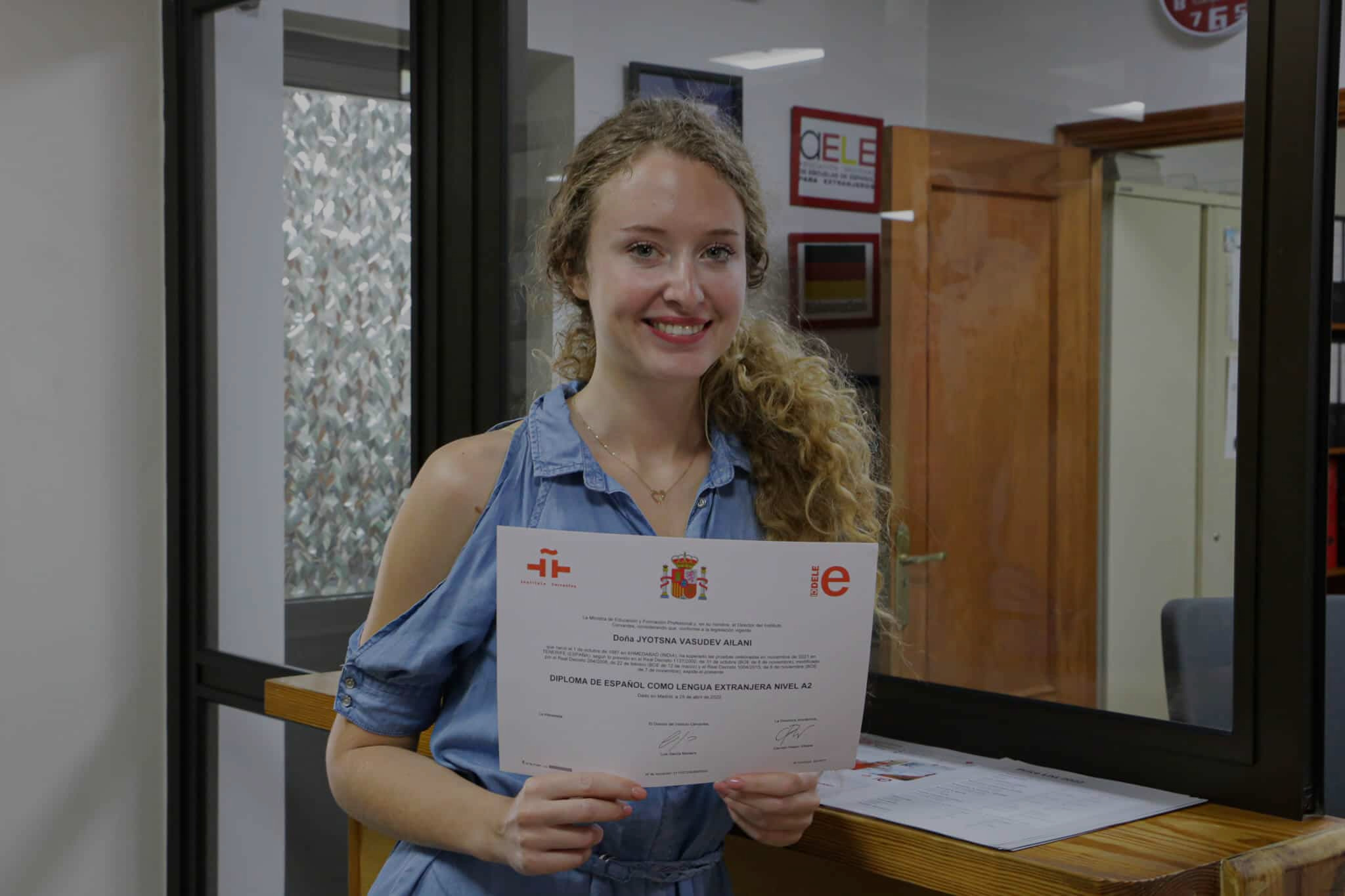
Learn and Pass Spanish DELE Exams
The DELE (Diplomas de Español como Lengua Extranjera) exam is designed to formally assess and certify a person's ability to communicate in Spanish. It is available to individuals in non-Spanish-speaking countries who wish to evaluate their Spanish proficiency. The exam covers six proficiency levels, ranging from A1 (beginner) to C2 (proficient), according to the Common European Framework of Reference for Languages (CEFR).
Helpful for admission to Spanish-speaking universities and beneficial for job applications in Spanish-speaking countries or international companies.